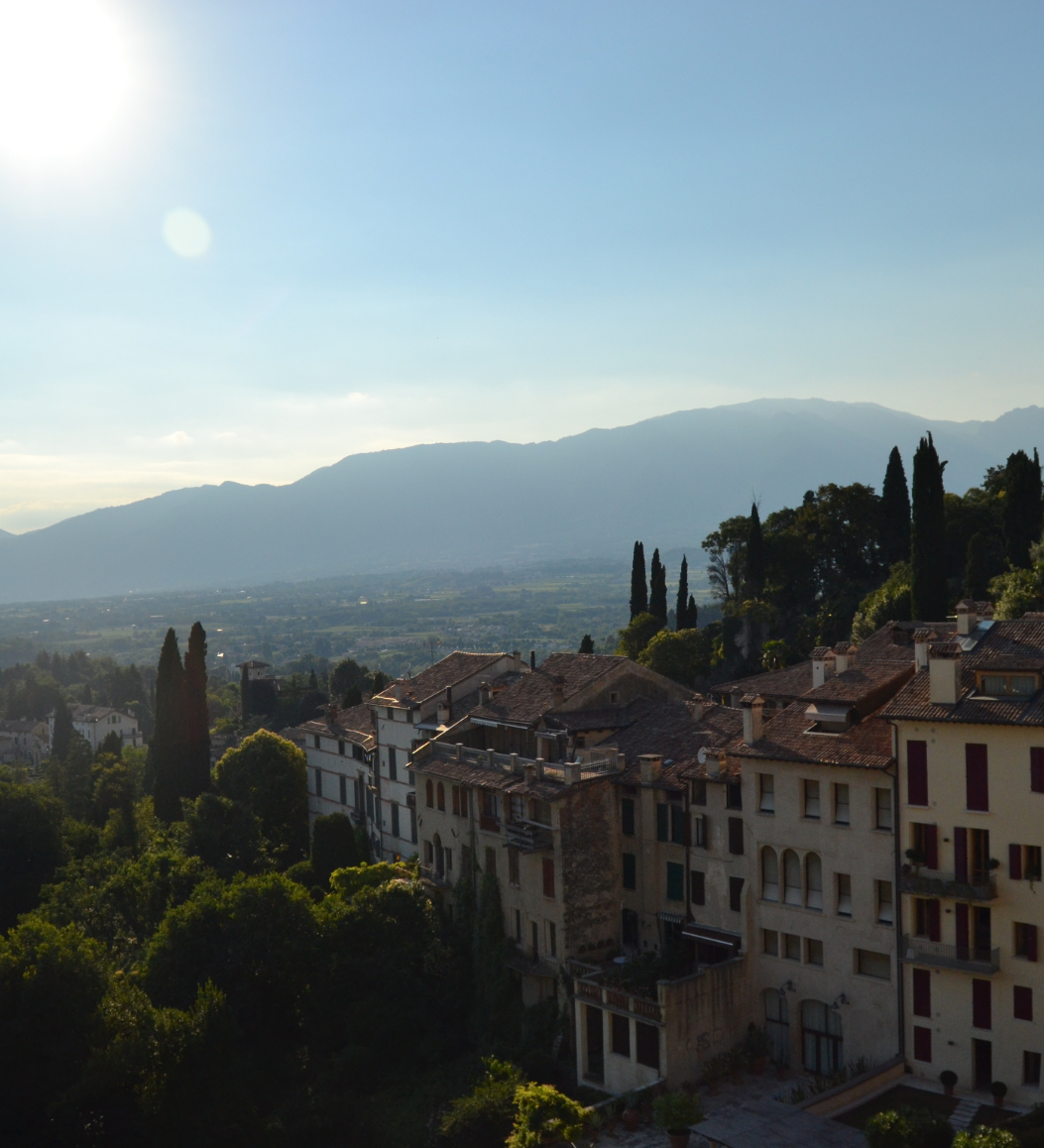
The relationship between the Nobel Prize-winning writer Ernest Hemingway and Italy was so deep, that in 1919 he wrote to a friend: “I have so much nostalgia for Italy that when I write about it comes out that special something that you can only express in love letters“. In particular, the connection with the territory in which the Piave flows, appears more intense than ever, so much so that in one of his writings, he had expressed the desire to be buried right there, in the shade of the cypresses where the great Venetian villas and their silent gardens rise.
Hemingway on the Piave front
The writer liked to call himself the “boy of the Basso Piave” because it was here that, as an enlisted soldier of the American Red Cross, he lived the experiences that then in part he used as inspiration for many of his novels. Arriving in Italy on June 9, 1918, in Schio, a few days before the outbreak of the Battle of the Solstice, on the 26th of the same month Hemingway reached section 2 of the ARC of Roncade which had asked for reinforcements. The towns of Fornaci, Chiesa Vecchia and Pralongo then became part of the daily life of the young officer, who drove between the health and military facilities in the area, including Abbazia del Pero, Villa Albrizzi and Casa Botter.
Casa Botter and Villa Fiorita in Monastier di Treviso
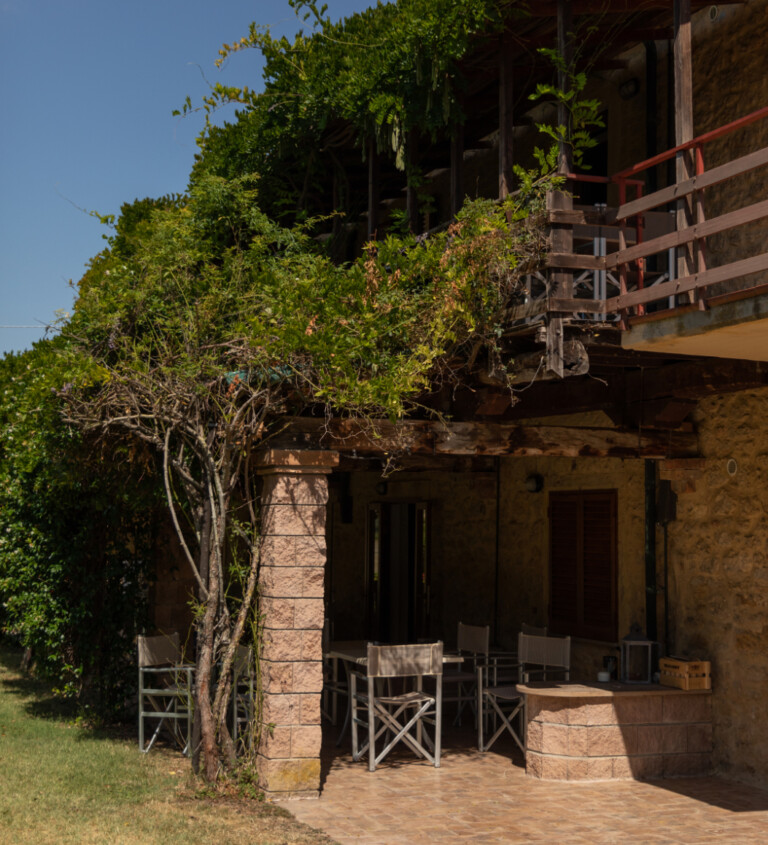
In Monastier di Treviso you can come across Casa Botter, which was the American Red Cross headquarters number 14 and therefore its official accommodation. On the night between 8 and 9 July 1918, Hemingway was hit in both legs by the shrapnel of an Austrian mortar and was hospitalized in Villa Fiorita, a 17th century Venetian residence that today is an elegant relais where inside there is a permanent exhibition dedicated to the illustrious guest.
The Treviso brand as inspiration
It was these years on the Italian front, the war and the sad love story with the nurse Agnes von Kurowsky that served as inspiration for one of his greatest successes, “A Farewell To Arms”, published in 1929. A masterpiece where the scenes come in quick succession – underlining the tragic uselessness of war – enveloped in the atmosphere that the author experienced in his years as a young adult and which he carried with him throughout his life.
Back to the list