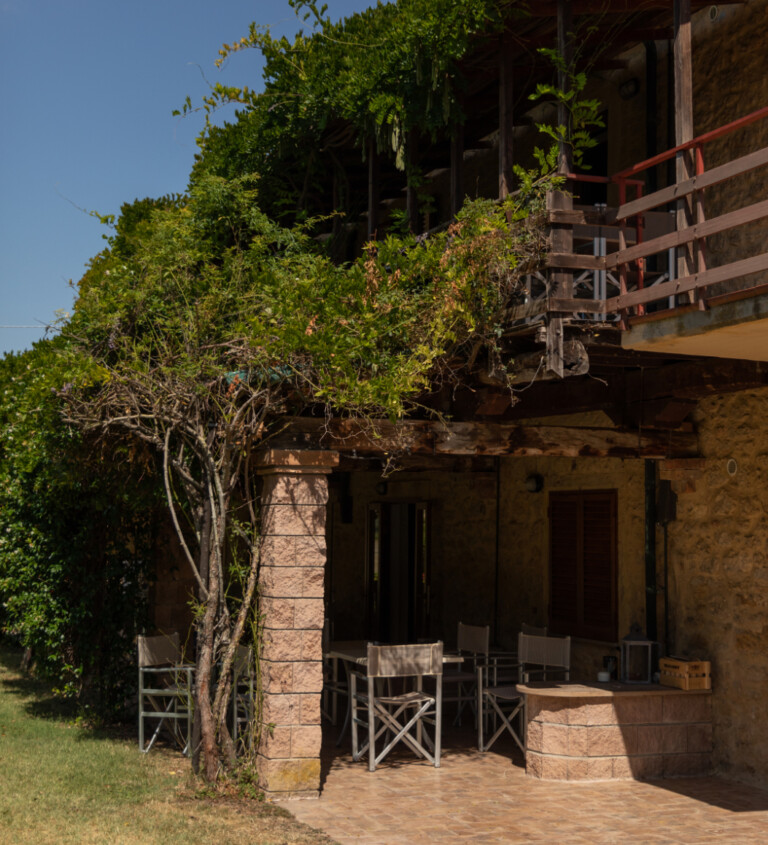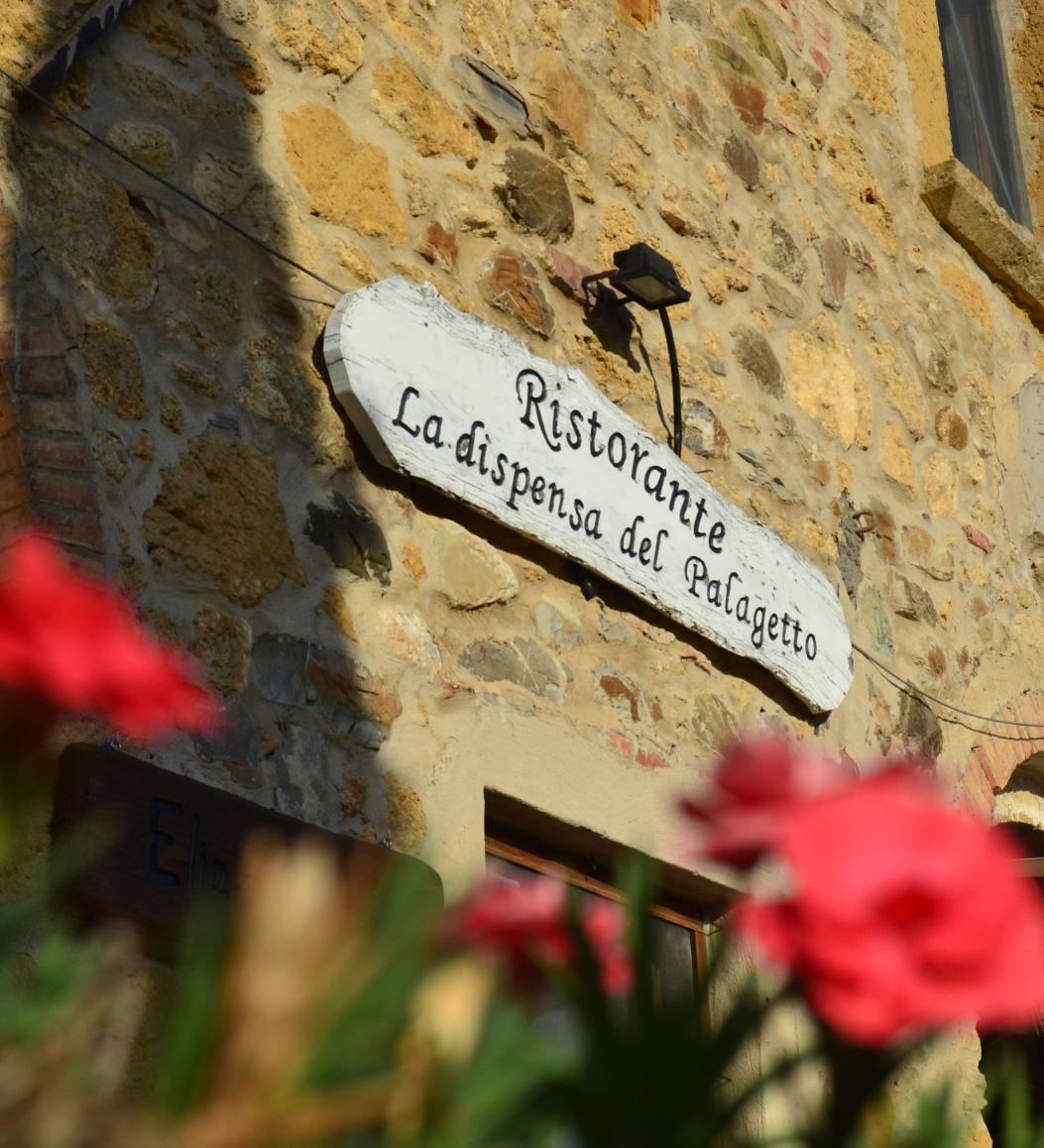
With its mix of tradition and modernity, La Dispensa is the perfect place to combine the discovery of the region with the joy of savoring the Tuscan cuisine.
The mission of the restaurant is in fact to offer traditional dishes, sometimes cooked in a personal key but always going in search of high-quality local raw materials, thus enhancing their history and origin.
La Dispensa, a restaurant where you can feel spoiled
This old farmhouse is part of the “Il Palagetto” farmhouse complex and during the high season – July and August – tourists therefore get the opportunity to have breakfast overlooking the hills, enjoying a wide selection of sweet and savory delicacies. Speaking of pampering the taste buds, among the desserts that are a must there is undoubtedly the Tuscan cantucci, also homemade. The famous typical almond biscuits with double cooking are a real delight, both alone and soaked perhaps in a good local Vin Santo, just as tradition dictates.
Pici and fresh pasta, the excellence of tradition
Fresh pasta is definitely one of the strengths of the restaurant. Tortelli, pappardelle, tagliatelle and tagliolini are all laid out by hand with fresh eggs.
Even the pici – which hold a place of honor among the typical Tuscan first courses – are prepared at home, using local flour from biodynamic production and following the golden rules of the perfect picio. This long and not too thin spaghetti must be rough, to allow you to better retain the sauce.
The Mucco Pisano, history and tradition of a fine breed of cattle
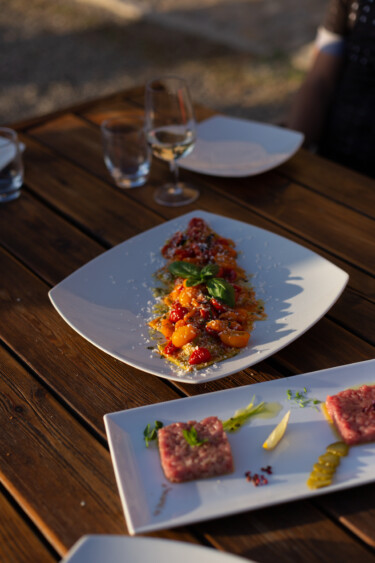
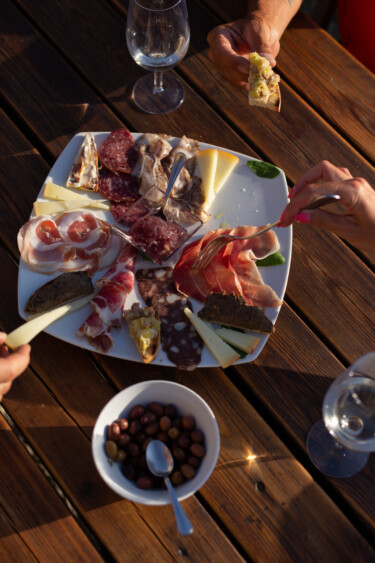
At La Dispensa you can also find very particular and niche pieces of meat such as the Mucco Pisano, a fine breed of cattle originating from the San Rossore area. It is an animal with a dark brown coat that is bred in a semi-wild state and has a very red and tasty meat. Until recently, this breed was at risk of extinction – in 1980 there were only seventy heads left – but at the end of the ‘90s it was rescued, making it part of the conservation program. Today only a few animals are bred, in small local butcher shops.
In addition to this, here you can find the classic Florentine local Chianina and, when possible, also the Local Organic Black Angus and the Pomarancino lamb, which is part of the SlowFood presidium.
Back to the list